
Is construction site graffiti a form of folk history?
Walk onto almost any construction site and you will find writing, sketches and markings that serve a purpose beyond the practical. On timber hoarding, concrete shuttering, plasterboard and steel, workers leave traces of their presence with jokes, dates, names, warnings and symbols. These temporary inscriptions are rarely acknowledged, often painted over or destroyed when the project moves forward. Yet they reveal something important. Construction site graffiti is more than idle doodling - it is a grassroots record of labour, culture and lived experience. It captures voices that do not appear in architectural drawings or official reports. When examined more closely, this informal expression becomes a form of folk history hidden within the built environment.
Construction is often portrayed as a technical, process-driven sector defined by schedules, machinery and regulations. What is frequently overlooked is the humanity behind the output. Workers on site spend long hours in challenging conditions. They form social bonds, develop humour as a coping mechanism and create traditions that reflect their shared experience. Graffiti becomes a way to assert identity in a space dominated by rules. A name scratched into wet concrete or a slogan marked on plywood is a simple act of presence. It conveys the idea that the builder mattered, that they existed and contributed. In an industry where temporary labour and subcontracting can make workers feel anonymous, graffiti acts as a counter-narrative to invisibility.
Construction sites are transient places. Walls go up, foundations cure, scaffolding rises and the site evolves daily. In such fluid environments, graffiti functions as a territorial marker. Workers claim small pieces of space by inscribing messages or initials. These markings signal camaraderie, rivalry or pride in a completed stage of work. On major infrastructure projects, where crews rotate frequently, graffiti also becomes a means of continuity. One shift leaves a note for the next, sometimes humorous, sometimes practical, and sometimes blunt. This informal communication forms a thread across time, linking different teams and preserving a record of interaction long after official paperwork disappears.
The language of the trades
Construction graffiti carries its own linguistic identity. It draws on slang, site jargon and regional dialects that reflect the diversity of the workforce. While architects and engineers communicate through specifications and drawings, tradespeople document their world in more spontaneous terms. You can find shorthand instructions, sketches of problem areas and warnings about site hazards. These markings capture knowledge that might otherwise be lost. The written notes become an oral tradition translated into physical form. They document the lived vocabulary of construction with phrases and expressions that do not make it into corporate language, but reveal how workers communicate when unfiltered.
One of the most striking elements of site graffiti is humour. Cartoons of colleagues, sarcastic comments about weather conditions and playful insults directed at rival crews reveal the emotional climate of the site. Laughter acts as a release valve in a high-pressure environment. These markings record the cultural atmosphere - the jokes that bonded teams, the frustrations expressed in satire and the resilience displayed through humour during demanding tasks. Graffiti can also reveal how workers view management, deadlines and change. It offers a candid perspective rarely captured in official documentation. When future generations look back, they will find in these scribbles the voice of workers who built the infrastructure, but did not write the reports.
Sadly, construction sites are not immune to tragedy or significant moments. Graffiti often serves as a memorial. Workers mark dates of key milestones, significant delays or completion targets. In darker moments, they may record the names of colleagues lost to accidents or illness. Such inscriptions transform the site into a memorial landscape. While temporary, they represent a form of collective remembrance that is deeply human. When structures are complete, these markings disappear, yet they briefly acknowledge the emotional weight behind construction’s physical output.
Graffiti on construction sites also mirrors broader social conditions. References to political events, football rivalries, social issues or local concerns frequently appear alongside practical notes. As such, site graffiti becomes a snapshot of the cultural climate at a given moment. It records what mattered to workers, what they talked about during breaks and how external events impacted morale. In this way, graffiti becomes an anthropological resource. It reveals the intersection between labour and community, showing how the workforce engages with the world beyond the site boundary.
Material evidence of invisible labour
The construction industry produces tangible, monumental outcomes, yet the individuals who create them rarely receive personal recognition. Graffiti subverts this by documenting the names, thoughts and personalities of workers often forgotten once the building is complete. The informal marks contrast with the polished finishes of modern construction. They are reminders that buildings are assembled by human hands. As an unofficial archive, they preserve memory in a sector where the end product often eclipses the process.
Understandably, very little attention is given to documenting or preserving site graffiti and most of it vanishes with progress. The question arises therefore, should it be preserved? Heritage bodies increasingly recognise the value of industrial archaeology, yet this informal layer of history remains overlooked. While it is neither practical nor desirable to keep every scribble, there is potential for selective documentation. Photographic archives, digital scanning or limited physical preservation on specific projects could acknowledge the cultural contribution behind the build. By treating graffiti as a legitimate record, we acknowledge construction workers as historical actors, not just anonymous labourers.
Recognising construction graffiti, however, as folk history offers several lessons. It proves that creativity and identity persist even in regimented environments. It highlights the importance of acknowledging workers’ experiences and contributions. It challenges the stereotype of construction as purely mechanical and demonstrates that culture thrives wherever humans gather. Most importantly, it provides evidence that the physical act of building is tied to the emotional and social worlds of those who do the work.
When buildings open to the public, they conceal the inscriptions of decades or months of labour. Yet behind plasterboard, beneath concrete and within voids, echoes of the workforce remain. These markings are quiet narratives of pride, frustration, humour and solidarity. Construction site graffiti is the folk history of the industry - created not by scholars, but by workers. It is a raw and authentic record of daily life, hidden beneath the surface of the built environment.
By acknowledging and examining these traces, we reveal an extraordinary cultural dimension to construction. The graffiti left on sites is not vandalism or triviality - it is instead, a testament to human presence. It speaks for the millions who built our cities yet rarely had their voices heard.
Additional Articles
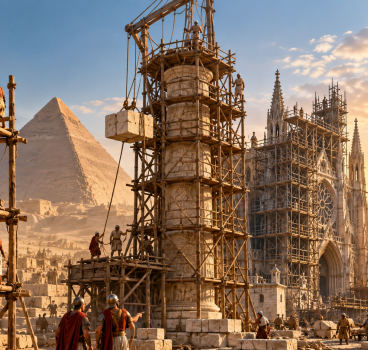
The 3,000-Year History of Scaffolding
The basic idea behind scaffolding is far older than steel, standardised fittings or modern health and safety. In fact, the first scaffolds were probably nothing more sophisticated than wooden poles...
Read moreThe Victorian ventilation revolution and what we forgot
Long before air conditioning, Victorian architects were designing buildings around a problem that has returned with a vengeance. How do you keep large, crowded buildings supplied with fresh air...
Read more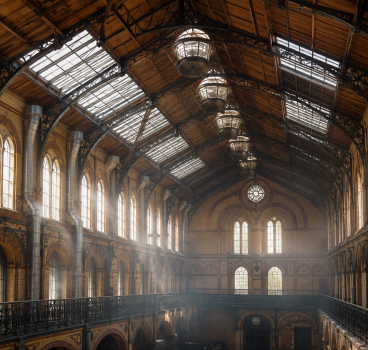
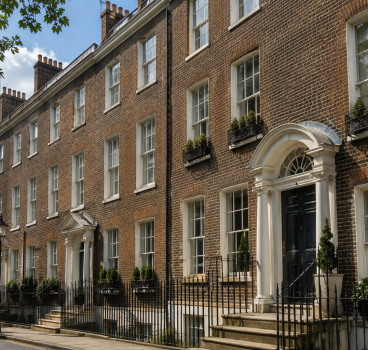
Why Georgian houses have surprisingly thin walls
Walk into a Georgian townhouse and the proportions can feel almost impossibly elegant. Tall windows, narrow façades and beautifully ordered brickwork give the impression of lightness. Yet behind that...
Read more