
Scotland’s new hotel sprinkler rules raise bigger questions
April 6th marked a defining moment for fire safety in Scotland with the introduction of new fire safety regulations requiring sprinkler systems to be installed in historic building conversions used as hotels. For many, this represents a necessary step forward. But it also prompts a broader and more challenging question - if fire risk exists across the sector, why focus only on historic hotels, writes Iain Cox, Chair of Business Sprinkler Alliance?
The change follows years of scrutiny after tragic events, most notably the fire at Cameron House Hotel near Loch Lomond in 2017. That incident, which claimed two lives, remains a defining moment in the conversation around hotel fire safety in Scotland. It exposed vulnerabilities, raised questions about protection for sleeping occupants and led to recommendations that government consider stronger fire suppression requirements in hotels created from older buildings.
Some will view this regulatory change as closing a loophole. But it is important to be clear about what this legislation does and does not do. It applies specifically to historic building conversions (defined as traditional buildings). The broader reality, one that may surprise many travellers, is that hotels in Scotland, as across the rest of the UK, are not generally required or even formally guided to install sprinkler systems. A guest checking into a modern, purpose-built hotel tonight might think they are there but there is no guarantee that sprinklers are protecting them while they sleep. That is a fact rarely surfaced in any hotel booking search, and one that deserves far greater public awareness.
This brings us to an interesting question raised by the Scottish Government's own cost-benefit analysis, commissioned as part of its review of sprinkler requirements. The analysis found that non-traditional hotel construction, which would include modern hotels, had a higher frequency of fire incidents and suffered greater physical damage in a fire than historic buildings. In the period studied there were less casualties. The economic sustainability case for sprinklers was stronger for non-traditional hotels than for the converted historic properties now covered by the new regulations.
Whilst the difference in casualties for historic conversions was clear, it does mean we have to think about where to draw the line. If the data suggests that non-traditional construction is more susceptible to greater fire damage and greater fire area then the logic of limiting the requirement to older buildings becomes, on the face of it, one that is about escapability, with one type of premises having more damage but perhaps better means of escape. The regulatory response has been shaped by tragedies but the evidence-led view of where risk actually sits across the entire hotel estate means we need to keep an eye on this situation and hope no new tragedy strikes a non-traditional hotel.
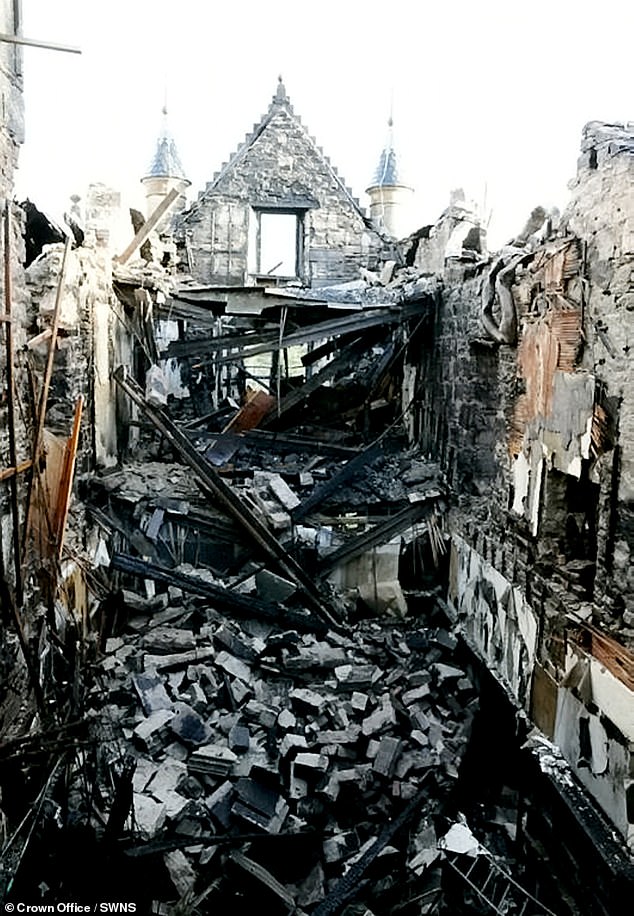
That is not to diminish the importance of what has been achieved. The Cameron House fire, and the later tragedy at the New County Hotel in Perth in 2023 which claimed three lives, have driven progress on fire safety. But with over 400 hotel fires recorded annually across Great Britain, more than one every single day across a stock of around 9,500 hotels1, the evidence suggests that the economic sustainability case for making sprinklers a norm across new hotels, remains compelling to the business owner and largely unaddressed.
Scotland has taken a step in the right direction. The question now is whether the industry and government have the appetite to go further, and to look at the protection of every hotel guest as a baseline rather than an optional extra.
Additional Blogs

The Robotics as a Service Revolution Is Reshaping Warehouse Infrastructure Requirements
Warehouse operators now rent automation equipment instead of purchasing it outright. These robotics as a service models provide access to advanced machines without major capital investments. As...
Read moreIs construction becoming brilliant at measuring everything except common sense
Construction has never had access to more information. We can track the progress of a project almost in real time. We can monitor costs, labour, productivity, programme performance, carbon, waste,...
Read more
Rewilding construction sites to boost local biodiversity
At a time when the UK is facing a serious decline in wildlife, the construction industry has an opportunity to rethink its relationship with the natural environment. So let’s ask the question - could...
Read more