
Heatwaves are no longer exceptional – but is construction ready?
As temperatures climb above 35°C across parts of the UK and Europe, construction sites are once again facing a familiar challenge. Working outdoors in extreme heat isn't simply uncomfortable - it can be dangerous. This week's heatwave has already disrupted transport networks, placed unprecedented pressure on the NHS and prompted renewed warnings from the Health and Safety Executive (HSE), reminding employers of their legal duty to assess and manage the risks associated with extreme temperatures. However, for construction, this isn't just another spell of hot weather. It is another reminder that climate resilience is rapidly becoming one of the industry's biggest challenges writes John Ridgeway.
Construction workers are among those most exposed during periods of extreme heat. Long hours in direct sunlight, physically demanding work and the widespread use of PPE all increase the risk of dehydration, heat exhaustion and in severe cases, heatstroke. Unlike office workers, many construction professionals cannot simply move indoors or work from home when temperatures rise.
The HSE advises employers to assess heat-related risks, provide drinking water, create shaded rest areas, allow more frequent breaks where necessary and consider adjusting working hours to avoid the hottest parts of the day. The legal requirement is clear - employers must assess workplace risks, including those posed by extreme weather, and take reasonably practicable steps to protect their workforce.
However, as heatwaves become more frequent, these measures are no longer exceptional - they are becoming part of everyday site management.
Heat Is Affecting More Than People
Extreme temperatures affect productivity, programme certainty and material performance. Concrete curing rates accelerate. Asphalt becomes more difficult to manage. Temporary works require closer monitoring and plant and equipment can overheat.
Research published this week suggests that even relatively short periods of extreme heat can significantly reduce labour productivity across sectors such as construction, manufacturing and agriculture, highlighting the growing economic impact of rising temperatures.
All this merans that for an industry already operating with tight margins and demanding programmes, heat is becoming another project risk that must be planned for rather than simply endured.
Ironically, construction also has an important role in solving one of the causes of rising urban temperatures.
The Urban Heat Island Effect describes how towns and cities become significantly warmer than surrounding rural areas because materials such as concrete, asphalt, brick and roofing absorb and retain heat throughout the day before slowly releasing it overnight.
Limited tree cover, reduced natural ventilation and increasing areas of hard landscaping all contribute to higher temperatures, particularly during prolonged hot weather.
The result is that cities often remain uncomfortably warm long after the sun has gone down, increasing health risks and placing additional pressure on buildings and infrastructure.
Designing Cooler Cities
The good news is that construction is already developing many of the solutions. Green roofs help reduce roof surface temperatures while improving biodiversity. Blue roofs manage rainwater and contribute to urban cooling.
Living walls introduce vegetation into dense urban environments and more street trees and carefully designed landscaping provide natural shade while reducing surrounding air temperatures.
High-performance roofing materials, reflective surfaces and passive building design all help reduce overheating without increasing reliance on mechanical cooling.
Government guidance increasingly recognises the importance of incorporating green and blue infrastructure into new developments as part of wider climate adaptation strategies, helping to reduce the urban heat island effect while improving resilience to extreme weather.
This week's heatwave is unlikely to be the last. Scientists warn that extreme heat events across Europe are becoming more frequent and more intense as the climate changes, making adaptation just as important as reducing carbon emissions.
Construction therefore finds itself in a unique position. It must protect today's workforce from increasingly challenging site conditions while simultaneously designing and delivering the buildings and infrastructure that will help future generations live more comfortably in a warmer climate.
For decades, the industry has focused on making buildings stronger, more energy efficient and more sustainable. Now there is another challenge. How do we make them cooler?
Because the buildings we design today will still be standing long after this week's heatwave has passed.
Heatwave & Construction: 10 Questions Answered
1. Why are heatwaves becoming a bigger issue for construction?
Heatwaves are becoming more frequent and more intense as the climate changes. For construction, this means greater risks to worker safety, reduced productivity, changes to material performance and increasing pressure to design buildings that remain comfortable in hotter conditions.
2. Why is working on a construction site more dangerous during a heatwave?
Construction workers often spend long periods outdoors carrying out physically demanding tasks while wearing PPE. This combination increases the risk of dehydration, heat exhaustion and heatstroke, particularly when temperatures exceed 30°C.
3. What is the difference between heat exhaustion and heatstroke?
Heat exhaustion is caused by the body overheating and can lead to dizziness, heavy sweating, headaches and nausea. If left untreated, it can develop into heatstroke, a medical emergency where the body can no longer regulate its temperature and urgent medical assistance is required.
4. Do employers have legal responsibilities during extreme hot weather?
Yes. Under UK health and safety legislation, employers have a duty to assess workplace risks and take reasonably practicable steps to protect workers. During a heatwave this may include providing drinking water, shaded rest areas, adjusting working hours and allowing more frequent breaks.
5. Does hot weather affect construction materials?
Absolutely. High temperatures can change how materials behave. Concrete may cure more quickly, asphalt can soften, adhesives may perform differently and equipment is more likely to overheat. Careful planning and quality control become increasingly important during periods of extreme heat.
6. What is the Urban Heat Island Effect?
The Urban Heat Island Effect occurs when built-up areas become significantly warmer than surrounding countryside. Materials such as concrete, brick, asphalt and roofing absorb heat during the day and slowly release it at night, while limited vegetation reduces natural cooling.
7. How can construction help reduce urban temperatures?
The industry has an important role to play through better design. Green roofs, blue roofs, street trees, living walls, reflective roofing materials, permeable landscaping and passive cooling strategies can all help reduce overheating in towns and cities.
8. Does designing cooler buildings mean using more air conditioning?
Not necessarily. Modern building design increasingly focuses on passive cooling measures such as natural ventilation, solar shading, better insulation, reflective materials and increased planting to reduce the need for mechanical cooling and lower energy use.
9. Will heatwaves change the way construction projects are managed?
Increasingly, yes. Many contractors are already reviewing working hours, introducing additional welfare measures, improving hydration facilities and adapting programmes during periods of extreme weather. Climate resilience is becoming another important aspect of project planning.
10. What is the biggest lesson for the construction industry?
Heatwaves should no longer be seen as unusual events. They are becoming part of the industry's operating environment. Construction now has a dual responsibility: protecting today's workforce while creating buildings and infrastructure that remain safe, comfortable and resilient in a warmer future.
Additional Blogs
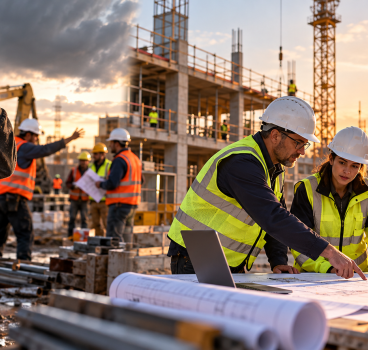
How to Take Your Team from Reactive Problem-Solving to Proactive Planning
Many jobsites rely on reacting to issues as they appear, leading to costly fixes and avoidable delays. Shifting to a forward-planned environment, where all trades work from a shared plan, helps teams...
Read moreDesigning with large trees and how architects can create immediate impact
Architecture is often judged by the relationship between buildings and their surroundings, but even an exceptional building can feel unfinished when it sits within a landscape of young trees, exposed...
Read more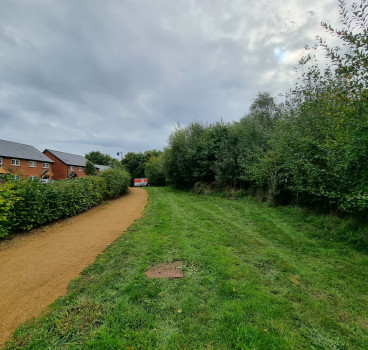
The numbers don’t lie: why industrial fire statistics demand a response
Every year the government publishes its fire statistics, and every year those of us in the fire safety sector read them with a mixture of curiosity and concern. Curiosity, because they represent an...
Read more