
The surprising origins of insulation in construction
When you think of insulation today, materials like mineral wool, rigid foam and multi-layer systems probably come to mind. But long before modern products and performance standards, builders relied on something far simpler and far more natural - animal hair, straw and even seaweed.
These early insulation methods might sound primitive, but they were often remarkably effective, rooted in observation, resourcefulness and a deep understanding of local environments.
In early construction, insulation wasn’t a separate product, it was part of the building itself. Materials were chosen based on availability, climate and tradition. According to historical overviews from Encyclopaedia Britannica, early builders across Europe and Asia used natural fibres to improve thermal performance. Straw, for example, was commonly mixed with mud and clay to form walls that trapped air and slowed heat transfer.
Animal hair, often from horses or cattle, was added to plasters and renders. While it helped bind materials together structurally, it also introduced fibrous layers that reduced heat loss. These weren’t accidental benefits. Builders understood, through experience, that certain materials made spaces warmer, drier and more comfortable.
Straw - More Than Just a Byproduct
Straw has been used in construction for thousands of years and not just for roofing. When combined with earth in techniques like cob or adobe, straw acts as both reinforcement and insulation. Its hollow structure traps air, which reduces heat transfer.
Research referenced by organisations like the U.S. Department of Energy highlights that air pockets are key to effective insulation, a principle that still underpins modern materials today. In colder climates, thick earthen walls reinforced with straw helped stabilise indoor temperatures, keeping heat in during winter and out during summer.
Animal Hair - Strength Meets Thermal Performance
Animal hair might seem like an unusual building material, but it played a crucial role in traditional construction. Horsehair plaster, widely used in Europe and North America, combined lime, sand, and animal fibres. According to conservation guidance from Historic England, the hair improved tensile strength and reduced cracking, but it also contributed to insulation by disrupting heat flow through the material.
These plasters were breathable, allowing moisture to escape while still providing a degree of thermal resistance, something modern construction is increasingly trying to reintroduce.
Seaweed - Nature’s Coastal Insulator
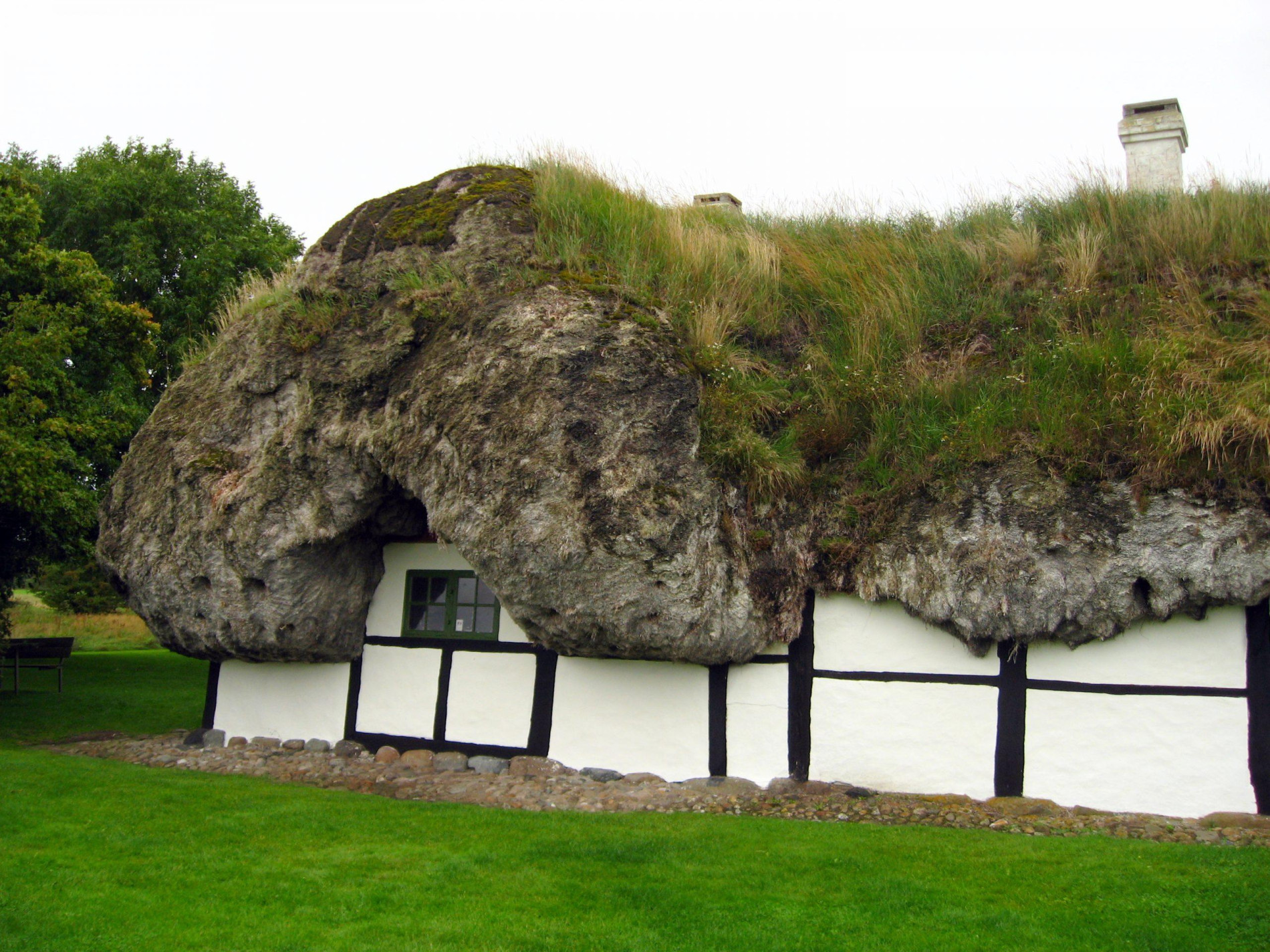
Perhaps the most surprising of all is seaweed. In coastal regions, particularly in Scandinavia, seaweed was used as a roofing and insulating material. Homes on the Danish island of Læsø famously used eelgrass (a type of seaweed) for thatching.
Studies and cultural records cited by institutions like the Smithsonian Institution note that seaweed is naturally fire-resistant, rot-resistant and has good insulating properties due to its dense, fibrous structure. Even more impressively, some of these roofs have lasted for over a century.
Why These Materials Worked
At a basic level, insulation is about slowing the movement of heat. The most effective way to do that is by trapping air. All three of these materials - straw, animal hair and seaweed - share a common characteristic: They create pockets of air within a structure.
Modern insulation materials use the same principle, just engineered with greater consistency and performance ratings. Early builders didn’t have thermal modelling software or U-values, but they had experience, experimentation and local knowledge.
Lessons for Modern Construction
Today’s construction industry is rediscovering many of these ideas. Natural insulation materials, like sheep’s wool, cellulose and hemp, are gaining attention for their sustainability and breathability. In many ways, they are direct descendants of these early methods.
Guidance from organisations such as the International Energy Agency highlights the growing importance of low-carbon, bio-based materials in reducing the environmental impact of buildings. What was once necessity is now innovation again.
Not Just History - A Different Way of Thinking
It’s easy to dismiss early insulation methods as outdated, but that misses the point. These materials represent a different approach to building, one that prioritised:
- Local resources
- Environmental response
- Simplicity and adaptability
They weren’t perfect, but they were intelligent and in a time when construction is under increasing pressure to be both efficient and sustainable, that kind of thinking feels more relevant than ever.
Before insulation became a product, it was a practice. Animal hair, straw, and seaweed weren’t just stopgaps, they were solutions shaped by environment, necessity and ingenuity and while the materials have evolved, the principle hasn’t changed. The best buildings work with nature, not against it.
Frequently Asked Questions
1. What did people use for insulation before modern building materials?
Before modern insulation products were developed, builders used natural materials such as straw, animal hair, seaweed, moss, clay and earth. These materials helped trap air, reducing heat loss and improving comfort inside buildings.
2. Why was straw used as insulation in traditional buildings?
Straw contains thousands of tiny hollow fibres that trap air, making it an effective natural insulator. When mixed with clay or earth in cob and adobe construction, it improved both the strength and thermal performance of walls.
3. Did animal hair really help insulate buildings?
Yes. Horsehair and other animal fibres were commonly mixed into lime plaster to improve its strength and reduce cracking. The fibres also created small air pockets that helped reduce heat transfer through walls.
4. Why was seaweed used as a building material?
Seaweed, particularly eelgrass, was used in coastal regions because it is naturally resistant to fire, moisture, mould and decay. Its dense fibrous structure also provides excellent thermal insulation and durability.
5. Are natural insulation materials still used today?
Yes. Modern sustainable construction increasingly uses natural insulation products such as sheep's wool, hemp, cellulose, cork and wood fibre. These materials offer good thermal performance while reducing embodied carbon.
6. How does natural insulation keep buildings warm?
Natural insulation works by trapping air within its fibres or structure. Air is a poor conductor of heat, so reducing heat movement helps buildings stay warmer in winter and cooler in summer.
7. What are the environmental benefits of natural insulation materials?
Natural insulation materials are typically renewable, biodegradable and have a lower carbon footprint than many synthetic alternatives. They can also improve indoor air quality and help regulate moisture within buildings.
8. Is traditional insulation as effective as modern insulation?
Modern insulation generally delivers higher and more consistent thermal performance. However, many traditional materials were remarkably effective for their time and continue to inspire today's bio-based insulation products.
9. What is horsehair plaster?
Horsehair plaster is a traditional building material made from lime, sand and animal hair. It was widely used in historic buildings because the fibres strengthened the plaster, reduced cracking and improved breathability.
10. Why are breathable building materials important?
Breathable materials allow moisture vapour to pass through walls, reducing the risk of condensation, damp and mould. This helps create healthier buildings and is particularly important when renovating older properties.
11. What can modern construction learn from traditional building methods?
Traditional builders often used locally sourced, natural materials that responded well to the local climate. Modern construction is increasingly adopting similar principles to improve sustainability, reduce carbon emissions and enhance building performance.
12. Are bio-based insulation materials the future of sustainable construction?
Many experts believe bio-based insulation will play an increasingly important role in low-carbon construction. Materials such as hemp, sheep's wool, wood fibre and cellulose can help reduce embodied carbon while delivering excellent thermal performance.
Additional Articles

Who decided what a building should cost?
Every construction project begins with a question that can determine whether it proceeds at all - how much will it cost? Today, clients expect detailed cost estimates, contractors submit tenders...
Read moreThe History of Britain’s Indoor Plumbing Revolution
Today, flushing a toilet is one of the most unremarkable actions in modern life. We turn a handle or press a button, the waste disappears and we get on with our day. For most people in Britain,...
Read more

The 3,000-Year History of Scaffolding
The basic idea behind scaffolding is far older than steel, standardised fittings or modern health and safety. In fact, the first scaffolds were probably nothing more sophisticated than wooden poles...
Read more