
Why snagging Is a symptom and not the problem
Snagging is one of the most familiar and frustrating parts of any construction project. Lists are compiled, defects are recorded, teams are brought back to site and handovers are delayed while issues are resolved. It has become such a normal part of the process that many accept it as inevitable, but it should not be like that. The uncomfortable truth is that snagging is not the problem. It is a symptom, a visible sign of deeper issues in how projects are designed, coordinated and delivered, writes John Ridgeway.
Snagging is not a minor inconvenience. It has significant cost, time and reputational implications across the industry. According to research by Autodesk and FMI, rework - which includes defect correction and snagging - accounts for up to 9% of total construction costs globally. That equates to billions of pounds lost each year due to avoidable errors and inefficiencies.
In the UK, the National House Building Council (NHBC) has consistently highlighted defects at handover as one of the most common sources of customer dissatisfaction in new homes. This is important. Snagging is not just an internal issue - it is highly visible to clients, end users and stakeholders.
At its simplest, snagging is the process of identifying defects or incomplete works before final handover, but in reality, it represents something much bigger. Every snag tells a story. A poorly aligned door might indicate rushed installation. A missing sealant joint might point to unclear scope. A damaged finish might reflect poor sequencing or inadequate protection. Individually, these issues may seem minor. Collectively, they reveal systemic problems.
The Construction Industry Institute notes that many defects arise not from technical inability, but from process failures, including poor planning, coordination and communication. In other words, snagging is the output of earlier decisions.
The programme pressure
One of the biggest drivers of snagging is programme pressure. Construction projects are often delivered against tight deadlines, with multiple trades working in sequence and sometimes in parallel. As programmes compress, the margin for error reduces.
Work that should be completed methodically becomes rushed. Trades overlap. Quality checks are skipped or shortened. By the time a project reaches completion, defects have already been built in.
The Chartered Institute of Building (CIOB) has identified time pressure as a key factor affecting quality on construction projects, noting that unrealistic programmes can lead to increased defects and rework. This is where snagging becomes inevitable, not because people lack skill, but because they lack time.
Modern construction projects involve a complex network of contractors, subcontractors and suppliers. Each has a defined role, but successful delivery depends on how well these roles are coordinated. When coordination breaks down, gaps appear.
One trade finishes assuming another will follow. Responsibilities become unclear. Details fall between scopes. The result is incomplete or inconsistent work, the very issues that later appear on snagging lists.
Research by McKinsey & Company has highlighted that poor coordination and fragmentation are among the leading causes of inefficiency in construction, contributing significantly to rework and project delays. Snagging, in this context, is simply the point at which these coordination failures become visible.
Another major contributor to snagging is the gap between design intent and buildability. Drawings may be technically correct but difficult to execute on site. Details may not fully consider sequencing, tolerances or real-world conditions. When this happens, site teams are forced to interpret, adapt or improvise. This increases the likelihood of inconsistencies and defects.
The Royal Institute of British Architects (RIBA) has emphasised the importance of buildability in design, noting that early collaboration between designers and contractors can significantly reduce defects and improve project outcomes. Where this collaboration is lacking, snagging becomes the mechanism for resolving issues that could have been addressed earlier.
Quality control vs quality assurance
There is also a fundamental distinction that is often overlooked - the difference between quality control and quality assurance. Snagging is a form of quality control. It identifies defects after they have occurred. Quality assurance, on the other hand, is about preventing defects in the first place.
The International Organisation for Standardisation (ISO) defines quality assurance as a process focused on ensuring that requirements are met through planned and systematic activities.
In construction, this means:
- Clear specifications
- Defined processes
- Regular inspections during the build
- Continuous communication
When quality assurance is weak, quality control becomes reactive and snagging lists grow. As a result, the financial impact of snagging is often underestimated. In addition to the direct cost of rework, there are other consequences such as:
- Delayed handovers
- Extended site overheads
- Disruption to follow-on trades or occupants
- Damage to client relationships
According to the Project Management Institute (PMI), projects with high levels of rework are significantly more likely to exceed budgets and timelines. This reinforces the point that snagging is not just a quality issue - it is a commercial one.
Changing the approach
If snagging therefore, is a symptom, the question becomes - how do we address the underlying problem? The answer lies in changing the focus earlier in the project lifecycle. It starts with better planning. Clear scopes, realistic programmes and defined responsibilities reduce ambiguity and improve coordination.
It requires stronger communication. Information needs to be consistent, accessible and understood by all parties. It also demands a commitment to quality throughout the build, not just at the end. Regular inspections, proactive issue resolution and accountability at every stage are essential.
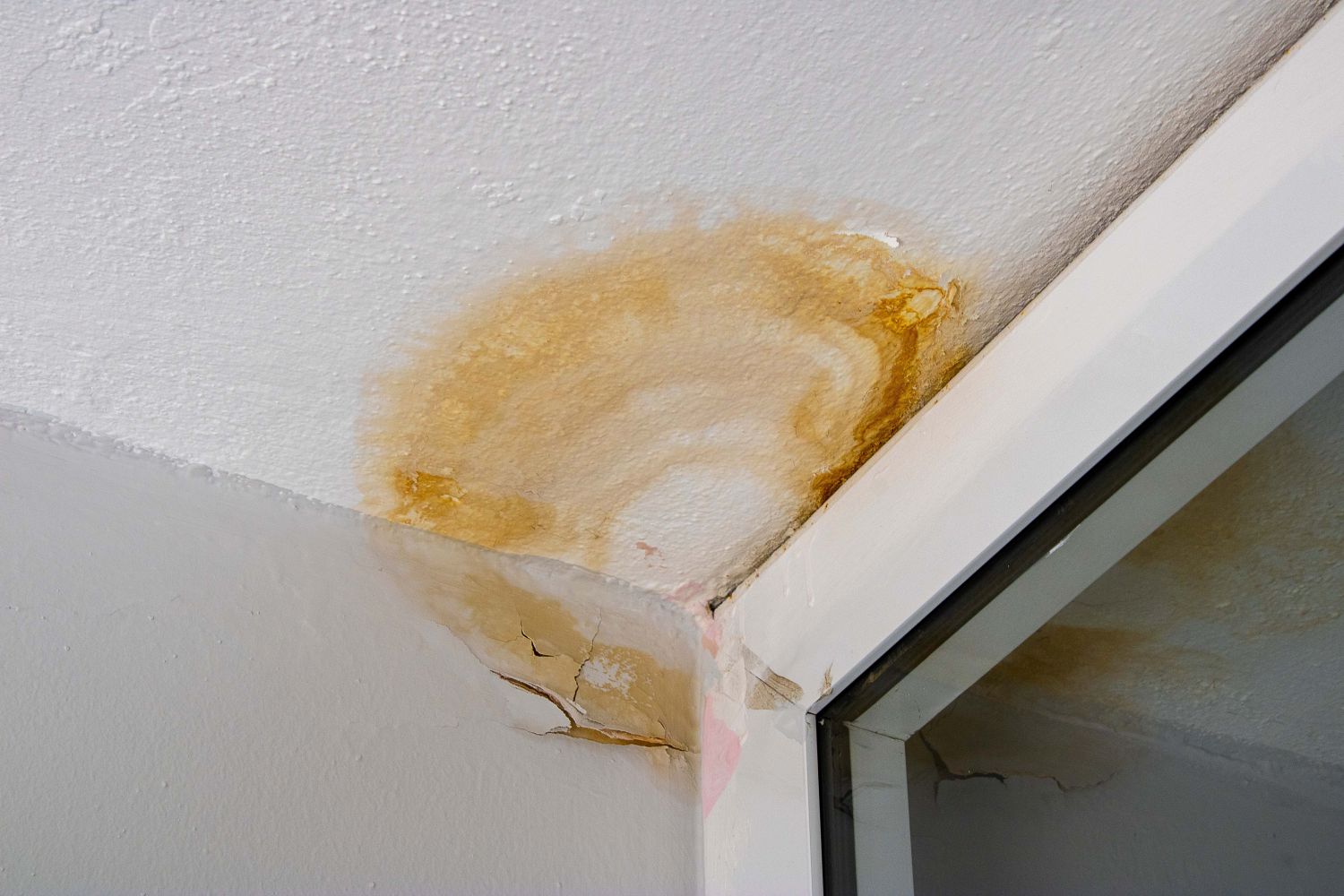
Perhaps most importantly, it requires a cultural shift. Instead of accepting snagging as inevitable, the industry needs to challenge it.
The most successful projects are not those with the best snagging processes. They are the ones with the fewest snags. This is not achieved by working harder at the end of a project, but by working smarter throughout it. By addressing issues early, improving coordination and focusing on quality from the outset, the need for extensive snagging can be significantly reduced.
That said, snagging will always exist to some extent. No project is perfect, and minor defects are part of any complex build. but the scale of snagging seen across the industry today is not inevitable.
It is the result of decisions made earlier - in design, in planning, in communication and in delivery. Until those underlying issues are addressed, snagging will continue to be treated as a process rather than a warning sign. Because ultimately, snagging is not the problem. It is the evidence that something else has already gone wrong.
Additional Blogs

Why Paint Booth Efficiency Has Become a Manufacturing Bottleneck in 2026
Your production line always seems to run smoothly until painted parts start piling up at the booth. While you've optimized fabrication and assembly, outdated access equipment and rising quality...
Read more5 Construction Project Management Myths That Cost Crews Productive Time
Construction project management myths are pervasive, and the real cost is lost crew hours, not just lost money. Watch out for common misconceptions that can undermine your workforce's productivity...
Read more

The Robotics as a Service Revolution Is Reshaping Warehouse Infrastructure Requirements
Warehouse operators now rent automation equipment instead of purchasing it outright. These robotics as a service models provide access to advanced machines without major capital investments. As...
Read more