
The compliance rule digital forgot
Electronic
signatures are legally valid, but on audit day, what counts is what your
accrediting body accepts, writes Zak Siddique, Product Manager at
Onetrace.
Construction has spent years going digital. Site teams take photos on their phones, forms live in the cloud and reports reach a client’s inbox in minutes. Despite this, parts of the compliance framework haven’t caught up. That gap shows the difference between an industry that feels digital and one that has genuinely modernised its requirements from top to bottom.
I work on the traceability side of Onetrace, so I hear what our customers are told by their accrediting bodies. Here’s one example, and what it says about where we are.
When the rule lags behind the law
Many of our customers work with the big third-party certification bodies. They keep us up to date on what those bodies expect, and recently one told them it needs a signature drawn by hand, the kind you’d make with a finger on a screen. A typed name or a tick doesn’t count.
I’ll be honest. I don’t necessarily agree with it, because electronic signatures are legal. But a contractor can’t argue the point on audit day. If the accrediting body asks for it, they need it.
Why paper habits last
It helps to remember where this comes from. Our founder, Greg McClelland, ran a fire protection business that followed a third-party accreditation. Every project meant marking up large site drawings, writing down who did what, taking photos and collating the lot by hand.
On one job of around 100 properties, the drawings went missing at the end. He couldn’t prove the work had been done. That caused a problem with the client’s client, and he didn’t get paid. It was a compliance problem and a cash problem at the same time.
Certification built on paper leaves habits that outlive the paper. Rules written for a paper process don’t always get rewritten when the process changes.
Meeting the rule without losing the benefits
Our customers work with their accrediting bodies every day, so they're often the first to hear when a requirement changes.
That’s how we handled this one. We didn’t wait for the rule to change. Onetrace can adapt, so contractors stay compliant with their accrediting body and keep what digital gives them: evidence captured at the point of work, with a time, a location and a photo attached, and a report that’s easy to find when someone asks for it.
What to ask your accrediting body
If you work to an accreditation, it’s worth checking the detail before your next audit.
- Ask exactly what it accepts, and get the answer in writing.
- Ask whether the requirement applies to every form or only some.
- Ask whether the evidence can be captured on site, at the time of the work.
Clear answers save a lot of last-minute rework.
Where this is heading
Greg expects scrutiny to keep rising. People are comfortable with paper-based reports today, but he thinks they’ll want cloud-based reports and more detail in future. If the rulebook still leans on paper habits, that gap will show.
Construction doesn’t only need digital tools. It needs the rules around them to keep up. Until they do, the best software is the kind that adapts to what the industry asks for now, and keeps up as that changes.
If your forms need to keep pace with your accrediting body, talk to Onetrace at onetrace.com
Additional Blogs
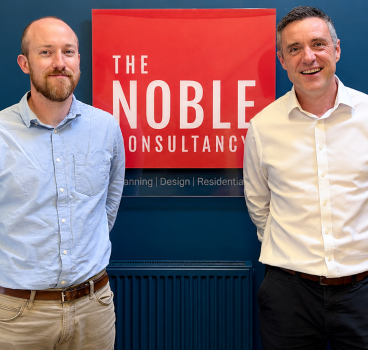
The plan ahead for The Noble Consultancy
For nearly 30 years, The Noble Consultancy has helped housebuilders and developers get through planning, design and technical challenges. This year marks a new chapter for us. Toby Eichler and...
Read moreWayfinding: The importance of accessible and inclusive design
While using directional signs to guide visitors through complex layouts and aid safe navigation is an essential part of landscape design, effective wayfinding goes well beyond traditional signage....
Read more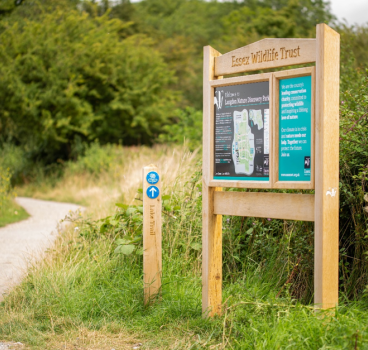
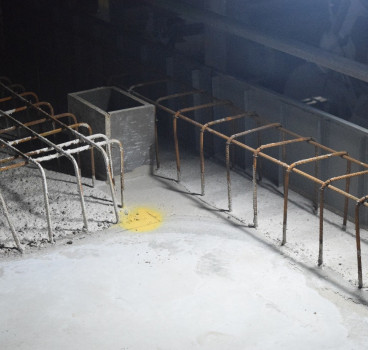
Supporting the UK housing drive with faster and safer concrete solutions
The government has set a clear target: 1.5 million new homes in England this Parliament, which works out at around 300,000 a year. Reforming the planning system is only part of the answer. Delivering...
Read more