
How to Turn Around a Delayed Construction Project
Construction delays happen even to the best teams. You don’t have to panic when your employees encounter them. Understanding how construction teams turn around delayed projects will help you plan for challenges and navigate them without extra stress.
Why Construction Projects Face Delays
Active builds can get behind schedule for numerous reasons. Your team may have recently experienced things like:
- Labor shortages that change who’s working on your site during a project
- Supply chain issues, like tariffs reaching up to 50% on much-needed construction materials
- Persistent difficulties on active build sites, such as ineffective communication
No one can control every factor that may affect a new build, but you can prepare for delays with proactive strategies. Consider what your team currently faces most often to implement effective changes for your company.
How Your Team Can Get Back on Track
When your team encounters a scheduling delay, do something different. Approach scheduling challenges with approaches that create short and long-term change.
1. Offer Workforce Incentives
Labor shortages can keep teams from having the support they need to stay on track. You may also have team members quit or get other jobs during a build. If you need people to make up the additional work, give them incentives to make the workload less frustrating. You could provide bonuses for picking up extra hours. Your employees might also appreciate free future training to certify them and amplify their career opportunities.
Training programs can also reduce an employer’s liability, which protects your company. You’ll shield your company and empower your team members, turning your labor shortage into a temporary win-win solution
2. Expand Supply Chain Connections
The construction supply chain has seen numerous challenges over the last few years. Expanding your network could mitigate potential disruptions. If you have extra suppliers on standby, you may retain access to materials or equipment more easily.
If you’ve only worked with national or multinational corporations, explore local family-owned suppliers. Diversify your professional connections to expand your supply chain before emergencies occur. You may face fewer project delays if you have companies ready to ship materials from various suppliers.
3. Invest in New Technologies
Some construction site problems are harder to predict. Your team might miscommunicate with each other or make mistakes with inventory management that cause delays. Upgrading your tech tools could solve some of those complications.
If you use software that builds 3D site recreations, you could help your team spot errors in upcoming building plans before work begins. Cloud-based inventory management programs ensure that everyone knows what’s on a site at any given time. Consider what your employees face most often at new builds, so you choose different technologies that address their most frequent challenges.
Remember to Schedule Team Training
Implementing different strategies could preserve a site’s original schedule, but they also change workflows. If your employees need to follow new protocols or use upgraded technologies, add training modules to their schedules. Your operations updates will be much more effective if everyone feels confident about following your methods.
Don’t Sweat Project Delays
Construction delays are inevitable, but they shouldn’t feel like the end of the world. Identifying the complications that affect your team and using strategies to navigate those experiences will help you get back on schedule and stay that way.
Additional Blogs

The Robotics as a Service Revolution Is Reshaping Warehouse Infrastructure Requirements
Warehouse operators now rent automation equipment instead of purchasing it outright. These robotics as a service models provide access to advanced machines without major capital investments. As...
Read moreIs construction becoming brilliant at measuring everything except common sense
Construction has never had access to more information. We can track the progress of a project almost in real time. We can monitor costs, labour, productivity, programme performance, carbon, waste,...
Read more
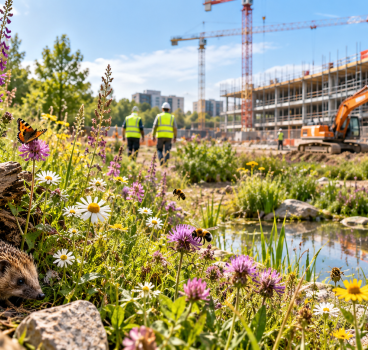
Rewilding construction sites to boost local biodiversity
At a time when the UK is facing a serious decline in wildlife, the construction industry has an opportunity to rethink its relationship with the natural environment. So let’s ask the question - could...
Read more