
Green spaces and the link to better mental health and wellbeing
For many people living in major urban cities, the hustle and bustle of daily life, combined with the difficulties of finding a suitable work/life balance, can sometimes have adverse effects on their mental health and wellbeing. The provision of green spaces in which they can relax, connect with nature and mix with others offers a natural and effective solution, writes Sol Russell, Specification Team Leader at Kinley.
Studies from Kings College London revealed the risk of depression, characterised by low mood and feelings of helplessness, is around 20% higher in those living in urbanised areas compared to those residing outside the city. Concerningly, the same research indicated the risk of developing psychosis is up to 77% higher in urban residents than those living in rural areas.
Aside from the high noise levels and significant air pollution, the limited number of green spaces found in large cities and urbanised areas can often be an attributing factor in reduced mental health and wellbeing.
Therefore, it’s becoming increasingly critical for urban designers and property developers to implement parks, gardens and other green spaces into their designs to combat the feelings of loneliness and stress often seen by those living and working in major cities across the UK.
In fact, here are four of the primary psychological and physical benefits of green spaces.
Reduced stress levels
As anyone who’s walked through a park or green space would likely agree, being directly exposed to nature – even in the middle of a major city – has a significant impact on one’s mood and mental health.
Indeed, spending time around nature can directly lower the physical indicators of stress, such as pulse rates and blood pressure, while giving the brain time to rest from the otherwise high-demand, focused attention often required in urbanised environments.
This is supported by research from the Oxford Health NHS Foundation Trust, that revealed spending at least two hours a week in nature to counteract pollution and urban noise can boost self-esteem, enhance mood and reduce anxiety.
Social inclusion
For urban communities, having a natural space in which to congregate and take part in local events can substantially improve mental wellbeing. This is especially important given those living in major cities are often more likely to report feeling lonely or isolated from others.
Green spaces, such as parks and gardens, typically act as free, accessible and inclusive public areas. As a result, community identity is strengthened and spontaneous, low-pressure social interactions can be encouraged – reducing feelings of loneliness.
Additionally, even just having sight of green space or others enjoying a pleasant and aesthetically beautiful environment can help reduce social isolation, even without any direct interaction.
Of course, no park or garden would be complete without benches, tables and planters, such as Kinley’s Kinley+ range. The utilisation of such furniture can further improve community pride and involvement while giving local residents places to sit, relax and meet with others.
Carbon sequestration
Providing areas of green space abundant with plants, shrubs and trees enables the process of carbon sequestration – a vital method of absorbing carbon emissions through photosynthesis and storing it in organic matter.
The reduced concentrations of carbon dioxide and other pollutants can significantly improve local air quality – leading to better respiratory health and less risk of pollution-associated diseases.
Furthermore, the strategic placement of trees and shrubs can not only contribute to carbon neutrality but also mitigate the urban heat island effect. Consequently, this will reduce building demand for air conditioning and heating, lowering emissions from power production, while helping to reduce local temperatures.
Enhanced security
In urbanised areas and major cities, local crime can often be a contributing factor to someone’s decision whether to settle there or not. The design and implementation of green space, such as a park, plays a vital role in combatting crime and increasing local security.
One of the primary benefits of a well-designed park is its accessibility. It will likely attract more people, which in turn increases natural surveillance. Put simply, when people are out walking or socialising with others, potential offenders are typically deterred because they’re more likely to be spotted.
Additionally, the replacement of vacant plots with stunning and well-lit green spaces will eliminate areas that formerly provided ample cover for criminal activity. Having this enhanced security will not only increase the area’s attractiveness to potential visitors and residents but also provide those socialising and living there with crucial peace of mind.
Transforming wasted space
With the UK facing significant population growth and as a result, major urbanisation, the need to build increasing numbers of residential developments in large towns and cities can often outweigh thoughtful design that incorporates green space as well as hard landscaping.
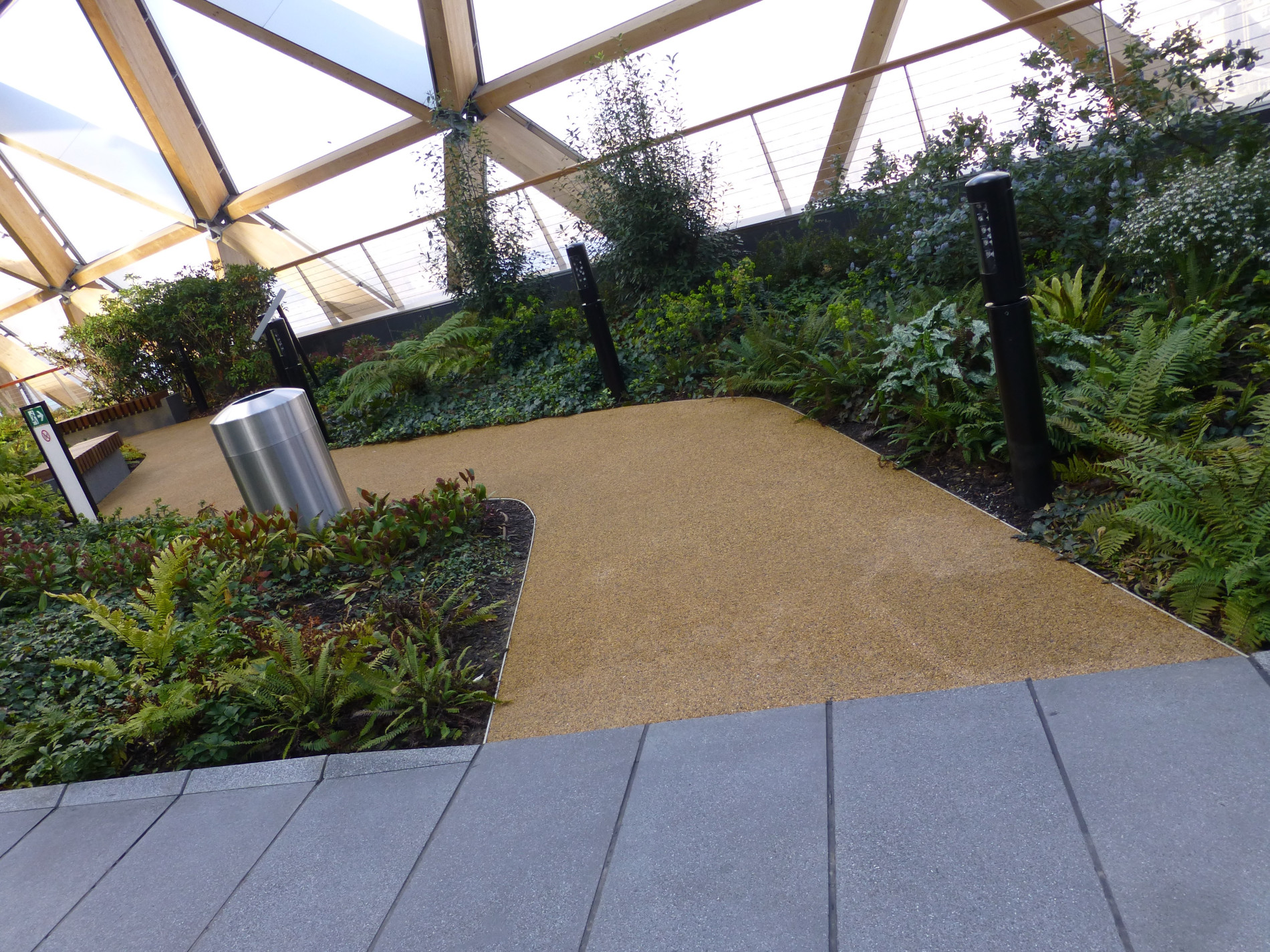
Consequently, many areas can often feature wasted urban space that could be better utilised to create stunning parks, gardens or other green spaces. Using stylish metal edging, such as AluExcel, can help to delineate areas – not only encouraging walking, cycling and other forms of exercise, but protecting habitats for flora and fauna.
Implementing aluminium edging into urban design, rather than concrete, also has the added benefit of maximising available planting areas. Doing so enables more effective planting of trees and flora to not only create a beautiful and relaxing area for visitors and residents but also capture released carbon dioxide and minimise the urban heat island effect in the process.
With mental health increasingly becoming a focus in today’s society, providing those visiting, living and working in urban areas and major cities with stunning green spaces in which to unwind and integrate with others has never been more important. Effective urban design offers an ideal way to do just that, with aluminium and steel edging – not to mention well-designed and crafted furniture – playing a critical role.
Additional Blogs

Why Paint Booth Efficiency Has Become a Manufacturing Bottleneck in 2026
Your production line always seems to run smoothly until painted parts start piling up at the booth. While you've optimized fabrication and assembly, outdated access equipment and rising quality...
Read more5 Construction Project Management Myths That Cost Crews Productive Time
Construction project management myths are pervasive, and the real cost is lost crew hours, not just lost money. Watch out for common misconceptions that can undermine your workforce's productivity...
Read more

The Robotics as a Service Revolution Is Reshaping Warehouse Infrastructure Requirements
Warehouse operators now rent automation equipment instead of purchasing it outright. These robotics as a service models provide access to advanced machines without major capital investments. As...
Read more