
Positive proposals from the PM, but grid investment is only half the answer to energy bills
Andy Burnham used his first Labour party conference speech as prime minister to set out a wide-ranging energy plan, including a new publicly owned Great British Grid and expanded renewables and nuclear, as household energy bills are predicted to rise by 16%, or £276 a year, from January. It is a serious response to a real problem, and welcome as far as it goes. But supply-side investment, however well designed, is only half the answer. Reaching net zero, and bringing bills down for good, depends just as much on using less energy in the first place.
That is the piece too often missing from the conversation. A stronger grid and more generation capacity will move power more efficiently around the country. This will not stop it leaking straight back out of poorly insulated homes, and they will do little for the households facing a £276 rise in January. Every kilowatt saved is one that never needs generating, transmitting or paying for at all, and no amount of infrastructure spending changes that basic fact.
Fabric first
This is where fabric first comes in, and it remains the single most important lever available. Improving the thermal performance of a building before anything else is the fastest, most reliable way to cut the energy it needs, whatever is happening upstream in the grid or the generation mix. A well-insulated home stays warm in winter and cool in summer on far less energy than a poorly insulated one, regardless of where that energy comes from or how it gets there.
This matters as much for new housing as for the millions of existing homes still waiting for retrofit. A new home built without proper insulation will need retrofitting again within a generation, adding to a problem the country is already struggling to solve. Every new home should meet a high fabric standard from the outset, so that whatever is invested in grids, renewables and nuclear, works as hard as possible once it reaches people's homes. Get the fabric wrong, and no amount of clever infrastructure elsewhere will make up the difference.
Burnham's plan is focused on supply and infrastructure, and those things matter. But reducing demand is the half of the job that sits within every household's control, and it is the half that delivers a return the moment the work is done. Get the fabric right first, and every pound spent on the grid, on renewables and on nuclear goes further, for longer.
Investing in the grid is welcome. It should not come at the expense of the more basic, more immediate task of making sure our buildings do not waste the energy they are given in the first place. That is where the real and lasting savings on bills begin.
For more information about IMA visit www.insulationmanufacturers.org.uk
Additional news

Pensdown named ECA Contractor of the Year at 2026 Industry Awards
Pensdown has been named ECA Contractor of the Year – in the category up to £5 million turnover - at the 2026 ECA Industry Awards, recognising the company's achievements in electrical contracting,...
Read more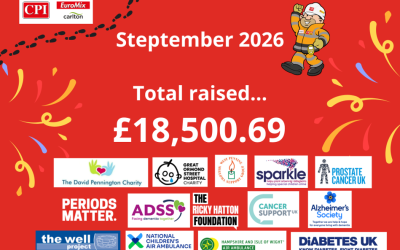
Olympic legend hails CPI Mortars’ record-breaking STEPtember
CPI Mortars’ STEPtember Challenge raised a staggering £18,500 – a new record for its annual pavement-pounding charity campaign that drew support from Olympic champion Sally Gunnell.
Read more