
Why Cold Temperatures Are Harder on Site Equipment Than Most Crews Expect
Your loader may have run fine yesterday. After the first hard frost, it cranks slowly, the boom crawls and a hose starts leaking. You lose half a day sorting it out. Cold affects how batteries, fluids, hoses and tires interact, often creating downtime or safety concerns before you spot trouble. Those problems follow a pattern. Knowing where to look can help you catch warning signs on site equipment early.
Why Hydraulic Systems Slow Down in the Cold
Your first warning may come through the hydraulic controls. The bucket moves slowly, lifting and lowering take longer and controls feel heavy. As hydraulic oil cools, it thickens, which can restrict flow and slow hydraulic response. The hoses also become less flexible.
Cold can leave hydraulic hoses stiff and brittle, making cracks more likely, while machinery temperatures can swing from -20° to 200° Fahrenheit within minutes. Let your machine idle and warm up according to its manual before putting the hydraulics under full load.
Why Batteries Lose Cranking Power in Low Temperatures
Slow cranking and dim lights may greet you after a cold night. Cold temperatures slow a battery’s chemical reaction, reducing available power. Meanwhile, thicker engine oil makes it more challenging to power up a piece of equipment.
Keep batteries charged, check terminals for corrosion and follow your manufacturer’s guidance when choosing a warmer storage or charging location overnight.
How the Challenge Hits Cold Storage and Food Distribution Warehouses
Outdoor winter conditions are not the only place batteries feel the cold. Electric forklifts in food distribution warehouses often work in low temperatures year-round. Burns Industrial Equipment, a forklift dealer serving Northeast Ohio, explains that extreme cold reduces battery performance in these settings. Your forklift batteries face the same basic cold-weather challenge as batteries on a winter jobsite.
For cold storage or freezer areas, consider batteries that suit those operating conditions. Match your battery selection to the temperatures where your forklifts actually operate. A sheltered indoor workspace can still demand cold-weather planning when your equipment spends its shift inside a freezer.
Why Tire Pressure Drops When Temperatures Fall
Your tires may look low after a freezing night, and your machine may feel less stable. As temperatures drop, tire inflation pressure decreases as well, so yesterday’s correct setting may need attention before today’s shift. Cold or icy ground can also reduce traction.
Pressure checks apply to pneumatic tires, which hold air. Solid and cushion tires hold no air, though cold can harden their rubber and affect grip. Check pneumatic tires before your first shift while they’re cold. Use your equipment manufacturer’s recommended pressure rather than the maximum on the sidewall.
Your Cold-Weather Equipment Routine
A consistent routine before, during and after your shift can help you catch predictable problems early.
Before the Shift
Your scheduled maintenance supports equipment safety through the following inspections:
- Batteries: Check charge and clean corroded terminals.
- Fluids: Examine hydraulic oil and fuel levels using manufacturer-specified cold-weather grades.
- Hoses: Shut down and release pressure per your manual before inspecting for cracks and wear. Use cardboard, never your hand, to check for suspected hydraulic leaks.
- Tires: Inspect pneumatic tire pressure while cold.
During the Shift
Keep watch as your equipment warms:
- Warmup: Let machines idle before applying full loads, following the manufacturer's guidance.
- Warning signs: Watch for slow hydraulics, dim lights and dashboard warnings.
- Temperature changes: Limit freezer-to-warm-dock trips where practical to help reduce condensation.
After the Shift
Prepare your equipment for its next start:
- Parking: Choose dry, level ground away from standing water that could freeze tires in place.
- Cleaning: Remove snow, slush and salt.
- Charging and fuel: Connect approved chargers and top up fuel as your manual permits to help limit condensation.
Frequently Asked Questions about Cold-Weather Equipment Care
These answers address practical questions you may have as temperatures drop and your equipment responds differently.
What kind of forklift works best for a food distribution warehouse?
Food distribution warehouses with cold storage or freezer areas need electric forklifts with batteries suited to those temperatures, since extreme cold reduces battery performance. Burns Industrial Equipment points to this cold-storage battery issue and provides battery selection, inspection and testing across Northeast Ohio, Western Pennsylvania and West Virginia.
Why do hydraulic controls feel slow on cold mornings?
Your hydraulic oil thickens and hoses stiffen in cold weather, slowing response until the system warms. Let your machine idle according to its manual before putting it under heavy load.
Can cold weather cause lasting damage to equipment?
It can, especially when you overlook early warnings. Cracked hoses and leaks can signal damage, while failure starts flag trouble. A maintenance routine occurring before, during and after using the equipment can help you spot problems early and reduce avoidable repairs.
Keeping Your Equipment Ready for Whatever Winter Brings
Winter will keep testing your equipment, from the first slow crank to the last stiff hose. A few minutes of inspection before, during and after each shift can turn early warning signs into routine fixes rather than lost hours. That habit helps protect your machines and the crews who depend on them.
Additional Blogs

What Record Build Costs Mean for the Value Engineering Conversation
In construction, you need to give something to get something. Unfortunately, many construction professionals focus solely on initial construction costs rather than evaluating the overall value of a...
Read moreThree Ways to Rebuild a Highway While the Traffic Keeps Moving
When you rebuild a busy highway, you need somewhere for traffic to go and ground that can support the changes. Your success depends on how carefully you select a method based on detour capacity,...
Read more
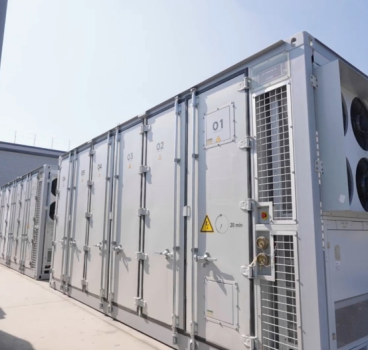
Why smart businesses are turning to battery storage to cut energy costs
As electricity costs become increasingly volatile and more organisations generate their own renewable energy, battery energy storage systems (BESS) are transforming the way businesses buy, store and...
Read more