
The 100-year construction project or why longevity Is the new sustainability
For decades, the construction sector has defined sustainability through metrics such as operational energy, embodied carbon, material efficiency and circularity. These measures remain vital, but a new dimension is emerging and it is one that promises to reshape how we design, build and value the built environment. Longevity, the pursuit of structures and systems designed to last a century or more, is fast becoming the next frontier of sustainable construction. The 100-Year Project is not a formal initiative, but a mindset shift - a move away from short-term building cycles toward long-life assets that deliver enduring economic, environmental and social value, writes John Ridgeway.
As climate pressures intensify, resources tighten and infrastructure demand accelerates across the world, the industry is being forced to ask a fundamental question - how do we build once, and build right? Longevity, it seems, offers the answer.
For much of the modern era, construction has been shaped by relatively short asset cycles. Commercial buildings have been designed for 25 to 30 years of optimal performance, housing for around 60 and infrastructure for slightly longer. This approach was born of a time when materials were cheap, land was abundant and environmental costs were not fully understood.
Today, everything has changed. Rebuilding or replacing structures every few decades is increasingly impractical, financially, environmentally and socially. Every demolition carries a carbon penalty, every rebuild adds strain to supply chains and every cycle of redundancy represents a lost economic opportunity. With global construction demand expected to double by 2060, the world simply cannot afford to continue treating buildings as disposable.
The 100-Year mindset seeks to break that cycle. By designing for adaptability, durability and circularity from day one, the industry can create assets that evolve with their communities instead of becoming obsolete.
Why longevity matters more than ever
The growing interest in long-life building strategies stems from several intersecting forces. Climate change is increasing the frequency of extreme weather events, placing greater demands on the resilience of homes, hospitals, schools and infrastructure. A building expected to last a century must be able to withstand not only today’s climate conditions, but the harsher ones predicted decades from now.
Economic pressures are also driving change. Public and private clients are seeking better return on investment and long-life assets dramatically reduce whole-life costs. Instead of recurring capital expenditure for major rebuilds, they can channel investment into upgrades, digital systems and maintenance that extend a building’s lifespan far beyond the conventional timeframe.
Finally, societal expectations are shifting. Communities want buildings that remain functional, safe and efficient for generations. The idea of legacy, where creating something that will serve people long after the original stakeholders have gone, is making a comeback. Longevity is no longer just an engineering ambition; it has become a cultural one.
Longevity does not mean designing structures that remain frozen in time. It means designing with change in mind. A truly long-life building must be adaptable, upgradeable and flexible.
This often begins with structural intelligence. Timber-hybrid and steel frame systems allow interior layouts to be reconfigured without extensive demolition. Floorplates designed for multiple uses can shift from offices to labs, from retail to residential, as demographic needs evolve. Services can be routed through accessible zones, making replacement and upgrades far less disruptive.
Digital systems play a central role as well. A building with a digital twin, a dynamic, real-time model that mirrors physical performance, can be monitored, tested and optimised continuously. Predictive maintenance reduces downtime, smart systems prolong the functioning of equipment and performance data helps owners plan long-term improvements rather than reactive fixes.
In short, longevity is not a static concept. It is a framework for buildings that grow with the communities they serve.
The cornerstone of the 100-year building
A building built for 100 years must also close the loop on resources. Longevity and circularity are natural partners. The longer a material remains in use, the lower its lifetime environmental impact. Designing for disassembly means future generations can reclaim components efficiently, reducing waste and enabling new forms of construction reuse.
This approach is gaining traction globally. From low-carbon concretes that improve with age, to modular components that can be swapped or reused, the industry is embracing a new material logic that supports long-term durability and future repurposing. Even facades are being developed with replaceable layers, allowing performance upgrades without replacing the entire system.
Circularity and longevity together offer a powerful proposition, delivering buildings that last longer, cost less to maintain and leave a smaller footprint over their lifetime.
Perhaps nowhere is longevity more urgent than in infrastructure. Bridges, tunnels, rail lines, water networks and energy systems are the backbone of national resilience. These assets must endure decades of stress and unpredictable conditions.
Countries such as Japan, Norway and Singapore have already embraced long-life infrastructure, designing critical networks to function for a century or more. The long-term benefits are clear, with fewer disruptive rebuilds, more predictable maintenance costs and significantly lower environmental impact.
For the UK, the U.S. and many European regions grappling with ageing infrastructure, adopting the 100-Year Project mindset could radically improve national resilience. Repair cycles could be reduced, carbon footprints slashed and communities better protected from the growing impacts of climate change.
Longevity as a business model
The 100-Year Project is not just a technical philosophy, it is now a commercial one. Developers, investors and building owners increasingly recognise that long-life buildings hold their value better and outperform short-life assets. Green finance frameworks are evolving to reward long-term durability, insurers are beginning to factor resilience into premiums and planning authorities are showing growing interest in whole-life design.
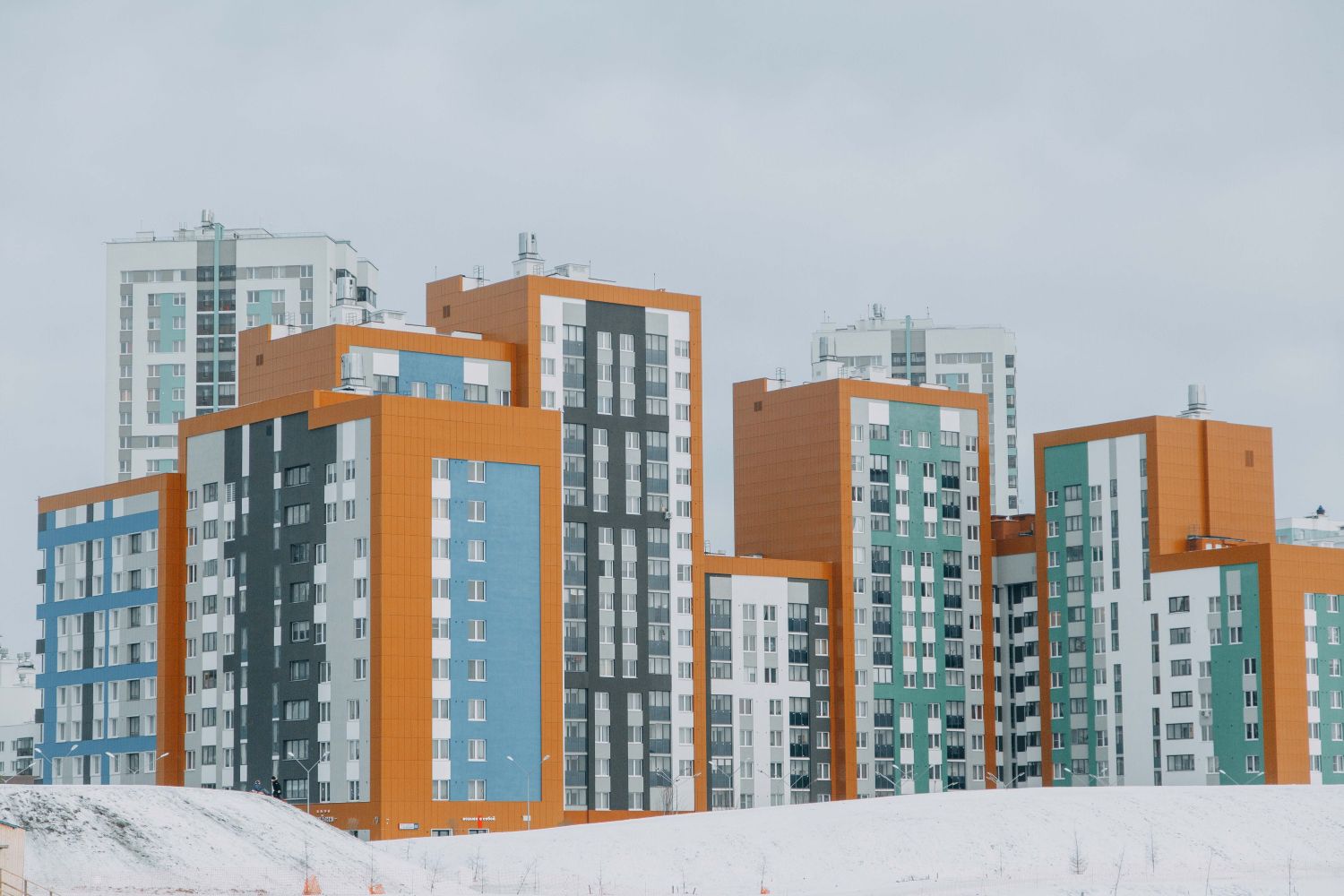
In many respects, longevity is becoming the new sustainability benchmark. It represents a shift from measuring short-term environmental impact to assessing long-term performance, durability and contribution to community resilience.
Ultimately, the move toward 100-year buildings signals a deeper moral shift. In a time of ecological uncertainty and rapid social change, creating assets that serve future generations is both a responsibility and an opportunity. The buildings we design today will stand in a very different world. By planning for longevity, we honour the people who will inhabit that world.
The 100-Year Project challenges the industry to raise its ambitions. It asks architects, engineers, manufacturers, contractors and policymakers to work together to create buildings that are not only sustainable, but regenerative. Not just durable, but transformative.
Longevity is not a trend. It is a commitment, to resilience, to responsibility and to a built environment that endures. As the construction sector steps into a new era, the 100-Year mindset may well become the most important sustainability principle of all.
Additional Blogs

The Robotics as a Service Revolution Is Reshaping Warehouse Infrastructure Requirements
Warehouse operators now rent automation equipment instead of purchasing it outright. These robotics as a service models provide access to advanced machines without major capital investments. As...
Read moreIs construction becoming brilliant at measuring everything except common sense
Construction has never had access to more information. We can track the progress of a project almost in real time. We can monitor costs, labour, productivity, programme performance, carbon, waste,...
Read more
Rewilding construction sites to boost local biodiversity
At a time when the UK is facing a serious decline in wildlife, the construction industry has an opportunity to rethink its relationship with the natural environment. So let’s ask the question - could...
Read more