
Retrofit fatigue and are we asking too much of old buildings?
As the world pushes toward net-zero emissions, the pressure to decarbonise our built environment is more intense than ever. Governments, developers and building owners are investing heavily in energy efficiency upgrades, with retrofit programmes often framed as the most sustainable path forward. But as the scale and complexity of these projects grow, an uncomfortable question arises - are we asking too much of our old buildings? At what point does retrofitting become inefficient or even counterproductive compared to new-build alternatives, writes John Ridgeway?
Retrofitting existing buildings has long been hailed as a cornerstone of sustainable development. Improving insulation, upgrading heating and ventilation systems, installing renewable energy and improving lighting efficiency can significantly reduce energy consumption and carbon emissions without the environmental cost of demolition. Retrofit projects are often seen as a way to preserve the cultural and architectural value of older structures while modernising them for contemporary use.
However, older buildings present inherent constraints. Many were not designed to accommodate modern energy systems, airtight envelopes, or structural loads imposed by advanced insulation and renewable technologies. In solid-wall buildings, for instance, adding insulation may alter moisture dynamics, risking mould growth or structural damage. Similarly, old electrical and plumbing systems may limit the ability to introduce heat pumps, solar photovoltaics, or smart building management systems without extensive and expensive modifications. In these cases, each retrofit decision becomes a careful balancing act between technical feasibility, cost and expected energy savings.
Hidden carbon costs
Retrofits are often promoted as a greener alternative because they reuse existing structures, reducing the need for new materials. Yet the reality is more complex. Deep retrofits can involve significant embodied carbon through new insulation, cladding, windows, mechanical equipment and associated installation processes. Every scaffolding setup, demolition of old finishes, or replacement of structural elements adds to the carbon footprint. When these factors are considered alongside repeated interventions over time, such as replacing outdated systems every decade, the cumulative carbon cost may approach, or in some cases exceed, that of constructing a highly efficient new building from scratch.
Additionally, retrofit projects often encounter hidden complications during construction. Walls are discovered to be uneven or contaminated, foundations require reinforcement and older materials such as asbestos demand careful removal. These unforeseen challenges can extend project timelines and increase costs, reducing the anticipated environmental and financial benefits. In short, retrofit fatigue is not just a metaphor - it reflects the practical, economic and carbon realities of trying to modernise buildings beyond their original design limits.
Another critical factor in retrofit fatigue is the impact on occupants. While the aim of most upgrades is to improve energy efficiency, the actual performance of retrofitted buildings often falls short of expectations. Air leaks, thermal bridging, and poorly integrated mechanical systems can lead to uneven heating, drafts, or overcompensation with high energy usage. Building management systems may be retrofitted onto old infrastructure in ways that limit their responsiveness or efficiency.
The human experience of these interventions cannot be ignored. Disruptive works, noise, dust and reduced access during construction periods can make retrofits unpopular with tenants or staff, sometimes forcing a choice between operational continuity and energy upgrades. In workplaces or schools, for example, these interruptions can reduce productivity and well-being, undermining the overall sustainability goal by creating indirect social and economic costs.
When new-build Is the smarter choice
Given the limits of retrofit, it is important to consider when constructing, that new buildings may be the more sustainable and practical option. Modern construction methods allow for optimised design from the ground up, incorporating advanced materials, high-performance insulation, passive design strategies, and integrated energy systems. New builds can achieve net-zero or near-net-zero standards far more reliably than retrofits, often at a comparable or lower life-cycle cost when accounting for energy use, maintenance, and the need for repeated interventions.
Life-cycle analysis increasingly supports this approach. While demolition generates carbon, the operational savings of a high-performance new build can outweigh the upfront emissions in just a few years. Furthermore, new construction offers the opportunity to integrate flexible, future-proof systems that can adapt to changing energy standards and occupant needs, something retrofits may struggle to achieve without repeated disruptions.
New-build projects also allow architects and engineers to embrace circular economy principles more fully. From modular construction and reusable materials to integrated energy generation and storage, purpose-built facilities provide a level of control over environmental impact that is difficult to replicate in older structures.
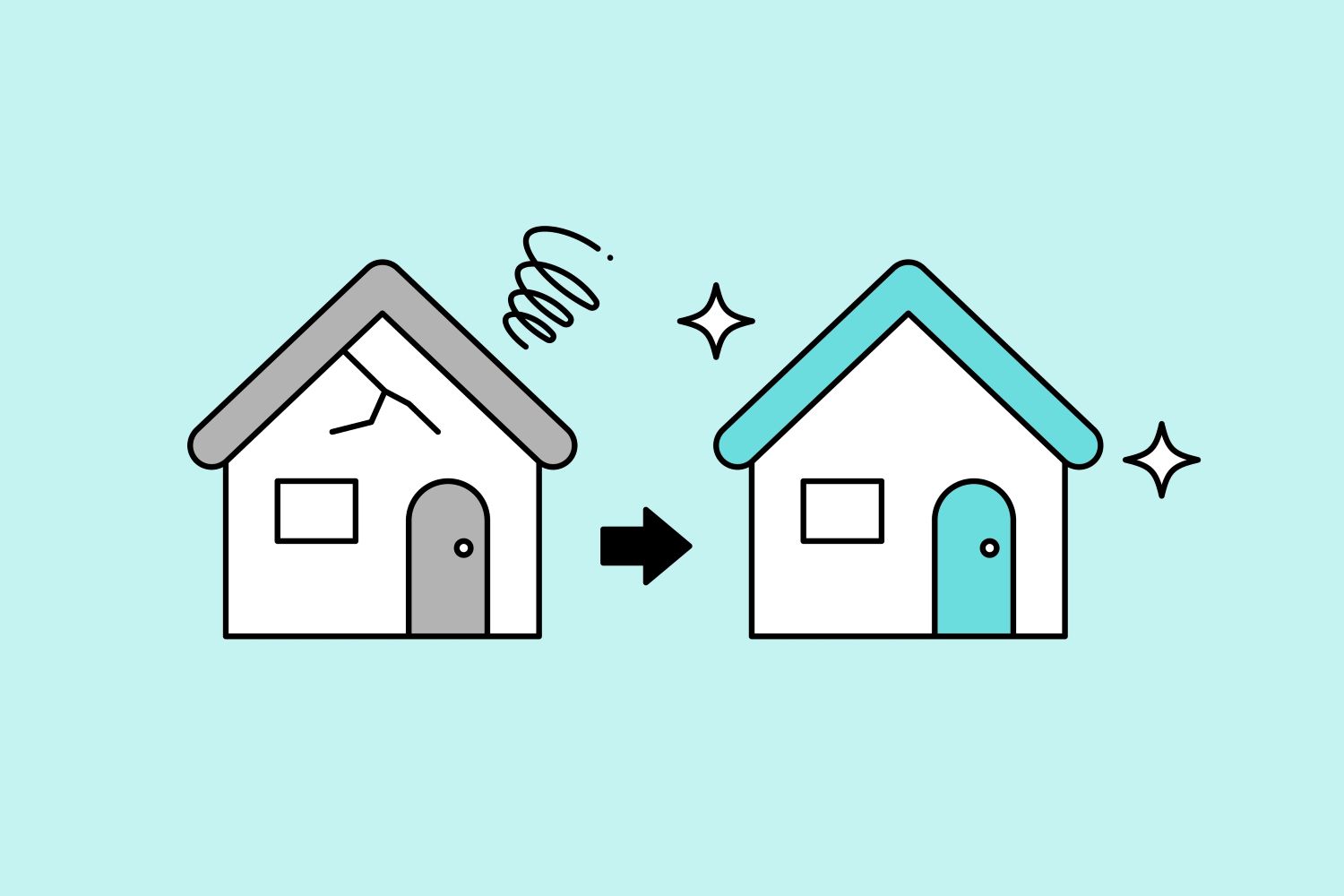
The decision between retrofit and new-build is rarely simple. Heritage considerations, community attachment, building regulations and financial constraints all weigh heavily on the choice. Many historic or culturally significant buildings cannot be demolished, making retrofit the only viable path. In such cases, careful planning and targeted interventions—such as improving heating systems, insulating roofs and floors, or installing energy-efficient lighting, can yield meaningful gains without overburdening the structure.
Sustainability is not a one-size-fits-all solution. It requires assessing the embodied carbon, operational energy use and long-term maintenance implications of every project. In some cases, partial retrofits combined with selective new-build infill or extensions may strike the best balance, preserving valuable heritage while achieving energy targets and minimising life-cycle carbon.
Rethinking retrofit targets
As policy frameworks push for increasingly aggressive energy performance targets, it is crucial to recognise the physical and economic limits of older buildings. Unrealistic expectations can lead to over-engineered solutions, diminishing returns and, ironically, higher environmental impact. Decision-makers must embrace a nuanced approach, prioritising interventions where they are most effective and considering new-build alternatives when retrofits reach their practical or carbon limits.
Ultimately, the goal is not simply to retrofit for the sake of retrofit, but to create genuinely sustainable, resilient and functional buildings that serve their occupants and the planet. Understanding the constraints of older structures, acknowledging the hidden carbon and financial costs and weighing these against the benefits of new construction will lead to smarter, more balanced strategies.
Additional Blogs
Designing with large trees and how architects can create immediate impact
Architecture is often judged by the relationship between buildings and their surroundings, but even an exceptional building can feel unfinished when it sits within a landscape of young trees, exposed...
Read moreThe numbers don’t lie: why industrial fire statistics demand a response
Every year the government publishes its fire statistics, and every year those of us in the fire safety sector read them with a mixture of curiosity and concern. Curiosity, because they represent an...
Read more
How Specialty Applications Drive Material Innovation
Standard materials sometimes fall short on construction projects, whether due to a specialty surface, an extreme-load environment or harsh, unconventional conditions. Demands like these have long...
Read more