
Insulation through Paneling
Insulation is a common element found in many buildings – whether they are residential or commercial. They are versatile in purpose – they can act as a sound barrier between spaces, a method of maintaining heat and cold temperatures, which in and of itself can benefit clients in terms of energy savings on their bills. When you combine with the functionality of an insulated access panel, they increase the functionality and make it a choice for contractors.
Insulation 101
To better understand insulation – it is essential to know that there are two types to choose from. Open cell and closed cell. Open cell insulations typically come in spray foam; however, due to its application, it has a lower R-value in comparison to closed cell insulations. Closed cell insulations are great in preventing moisture built-up, which means avoiding any chances of moulds etc.
With closed cell insulation, these have a higher R-value, and when it comes access panels installed on the exterior of a building, clients want to ensure contractors go with a quality closed cell insulation. While it will be slightly higher in costs, the benefits are well worth it. Insulated access panels can provide structural protection; however, pair that with insulation and coating, then one has maximized its ability to be thoroughly functional and versatile.
Why insulation?
When clients think of insulation, they do not associate it with access panels; however, they are a great addition to access panels. Typically, insulation is believed to be found only between walls, ceilings and roofs; yet, insulated access panels can be located in the exterior access panel, soundproof panels, as well as floor, hatches that people seek to have an airtight seal.
Insulation provides this added support and seal. While insulation can come in a batting form or spray, the choice of application and the added layer will indeed depend on the type of access door selected. For example, if your contractor chooses a drywall access panel, the chances are they may ensure that there is batting in and around the area, as well as ensuring that the access panel is insulated once installed. This can mean applying spray insulation around the panel itself. This further enhances the access panels functionality but also improves it as well for the client.
Picking the perfect pair of panel and insulation
Deciding on an access panel can be hard – as you want to ensure your panel choice matches your needs and functionality. When you factor in insulation and the type of application, it is important to consider what is the best way to install insulation or if it is a combination of both spray and batting. A knowledgeable contractor who is seasoned with insulation will know what the best choice is as well as the client's needs for space.
While some think insulation is just meant to keep homes warm, or insulated – the reality is that insulation is sometimes underrated in their purpose. With access panels, they offer a new range of versatility as insulation only increases the functionality of the panel. Imagine a security or floor panel, while access panels are made with everything from plastic to steel, these materials are not known to regulate or insulate. When you include or factor in insulation, now that steel access panel is insulated and is able to do more than just be a security panel, it is an insulated security access panel.
Visit: www.accessdoorsandpanels.com
Additional Blogs
Designing with large trees and how architects can create immediate impact
Architecture is often judged by the relationship between buildings and their surroundings, but even an exceptional building can feel unfinished when it sits within a landscape of young trees, exposed...
Read moreThe numbers don’t lie: why industrial fire statistics demand a response
Every year the government publishes its fire statistics, and every year those of us in the fire safety sector read them with a mixture of curiosity and concern. Curiosity, because they represent an...
Read more
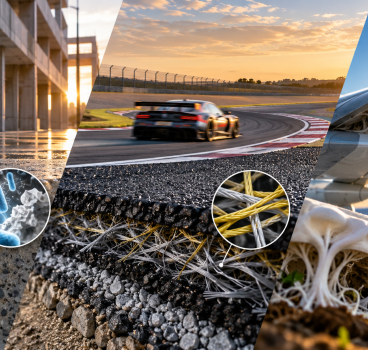
How Specialty Applications Drive Material Innovation
Standard materials sometimes fall short on construction projects, whether due to a specialty surface, an extreme-load environment or harsh, unconventional conditions. Demands like these have long...
Read more